Where Does the Cashback Actually Come From? We Followed the Money

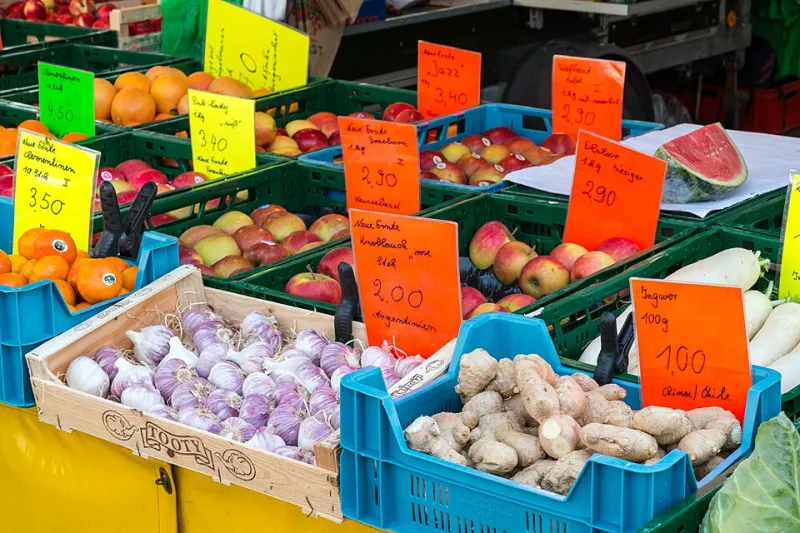
Photo: Estormiz, CC0, via Wikimedia Commons
There's a peculiar moment in every UK shopper's life when they realise they've earned £47.83 just for buying things they were going to buy anyway. Perhaps it was a Sainsbury's shop routed through Quidco, or a train ticket booked via TopCashback. Either way, the thought arrives: is this actually free money?
The short answer is no — but it can still be worth your while. The longer answer involves affiliate commissions, credit card interchange fees, and a fair few catches worth knowing about before you get too comfortable.
So Who's Actually Paying You?
Cashback sites aren't benefactors. They're affiliates. When you click through TopCashback or Quidco to a retailer, a tracking cookie (or more likely these days, a tracking link) logs your visit. If you buy something, the retailer pays the cashback site a commission — often between 2% and 10% of the sale — and the site passes most of it on to you, keeping a slice for itself.
That retained slice is the whole business model. TopCashback brands itself on passing on "100%" of its commission, but it makes money through other routes: promoted placements, insurance and financial product referrals (where commissions run far higher than retail), and premium membership tiers like Quidco's paid plans that boost rates.
None of this is sinister. It's a marketing cost for the retailer, plain and simple. They'd otherwise spend that money on advertising — and arguably a tracked affiliate click is better value than a billboard.
The Catches Hiding in the Small Print
Here's where savvy shoppers earn their keep. The common pitfalls:
- Declined or lapsed transactions. Purchases sometimes don't track — ad blockers, clicking another deal site afterwards, or the retailer simply disputing the transaction. Always screenshot your confirmation.
- Excluded categories. That 5% on electricals? Check whether it excludes Apple products, gift cards, or anything already discounted. It often does.
- The payout wait. Transactions sit "pending" for weeks or months while the retailer confirms returns won't happen. Expect 30 to 120 days for anything meaningful.
- The inflated anchor price. "Get 8% cashback!" on an item whose price quietly rose 12% last week. Cashback rates are sometimes cranked up precisely to distract you from a worse deal.
Stacking: Where the Real Value Lives
The genuine trick isn't chasing the highest cashback rate — it's layering. A typical winning stack looks like this:
- Start with a sale price or voucher code (check the retailer's own outlet section first).
- Click through a cashback site for the commission.
- Pay with a cashback credit card — Amex and several Visa/Mastercard options reward spending — if you clear the balance in full every month. At current UK credit card APRs, carrying a balance wipes out any reward instantly.
- Use supermarket loyalty schemes (Nectar, Clubcard) where they boost partner spend.
Done properly on a £300 purchase, you might shave 15–20% off in combined value. Done carelessly — using a code from an unauthorised voucher site that voids your cashback tracking — you can end up with nothing.
Credit Card Cashback: The Same Trick, Different Pocket
Card rewards work differently. The card issuer earns interchange fees from merchants and interest from borrowers, then shares a fraction with you. Post-EU rules capped interchange on consumer cards, which is partly why UK cashback cards have become rarer and stingier. The maths still works if you're a full payer — but the reward is a nudge towards more spending, and the industry knows most people respond to it.
The Verdict
Cashback is a rebate on marketing money that would otherwise be spent on you anyway. It's not free — the price you pay is attention, patience, and a steady drip of behavioural nudging. But for organised UK shoppers who check rates, read exclusions, and never let a reward justify a purchase they weren't making, it's a legitimate few hundred pounds a year.
Just remember the golden rule: the best cashback rate in the world is 0% of a purchase you didn't need.