The Sale That Never Ends: Seven Retailers Where the Discounts Live Permanently
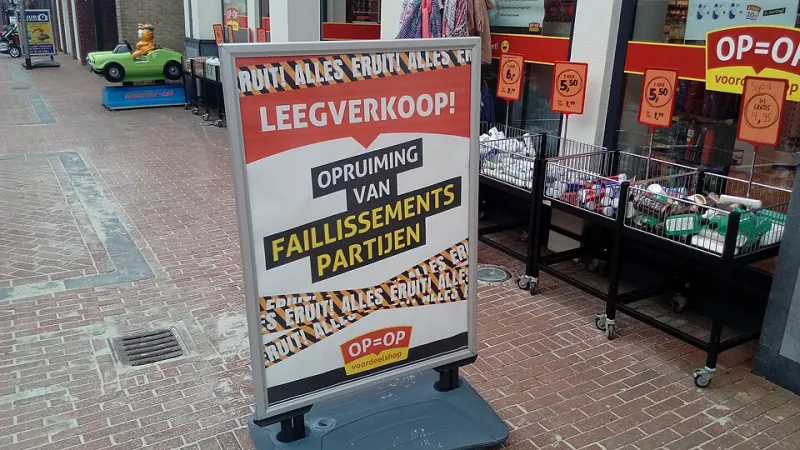
Photo: Donald Trung Quoc Don (Chữ Hán: 徵國單) - Wikimedia Commons - © CC BY-SA 4.0 International.(Want to use this image?)Original publication 📤: --Donald Trung 『徵國單』 (No Fake News 💬) (WikiProject Numismatics 💴) (Articles 📚) 21:49, 29 April 2019 (UTC), CC B
There's a sofa website — you'd know the name — that has been holding a "50% off everything" sale for the better part of four years. Not a sale event. Not a seasonal clearance. The sale. Just permanently. At some point, the discount stops being a discount and becomes the actual price wearing a costume.
We got curious about how widespread this is, so we did what any bargain-obsessed shopper would do: we checked price histories.
What the Price Trackers Showed
Using tools like Keepa (for Amazon), PriceSpy, and CamelCamelCamel, you can see an item's full price journey — every rise, every dip, every suspicious "was" price. And once you look at enough of them, patterns emerge. Here are seven flavours of the perpetual sale we spotted:
- The Sofa Forever Sale. Furniture and flooring retailers are the worst offenders. "Up to 60% off ends Sunday" has been ending Sunday, weekly, since roughly 2021. The listed RRP is often a price nobody ever actually paid.
- The Rolling Flash Sale. Fashion sites that rotate a "24-hour sale" every 24 hours. Technically true, effectively meaningless — the same core items cycle in and out of the discount window.
- The Pre-Inflated Anchor. An appliance listed at £499, "reduced" from £899. Price history shows it sold at £499 for eleven months before the £899 figure briefly appeared.
- The Season That Ate the Calendar. January sales that start mid-December, Black Friday that starts in late October, and "summer sale" stock arriving before the last frost. Supermarkets now run Christmas promotions in September — the discount season is no longer a season at all.
- The Loyalty Price Disguise. Member pricing framed as a sale. Fine in isolation, but the "original" price on the shelf is a fiction if you'd never plausibly pay it.
- **The Outlet That Never Was." Some brands open "outlet" arms selling last season's stock at a discount — from a price that was itself invented for the exercise.
- The Multi-Buy Mirage. "3 for £10" where the single item was £3.30 last month. Supermarkets do this more subtly than most, which is why comparison matters.
Why Sales Stopped Being Sales
Two forces collided. First, the internet made price comparison instant, so retailers compete on the appearance of a deal rather than the lowest price. Second, discounting trains shoppers: once we expect a sale, we stop buying at full price, so the full price becomes a fictional anchor and the sale becomes the norm. The result is a market where the "original" price is a marketing asset rather than a transaction record.
How to Spot a Genuine Markdown
- Check the price history. Five minutes with a tracker tool tells you whether the "was" price ever really existed, and whether the current price is actually the lowest it's been.
- Watch the item for a fortnight. If it's "on sale" every time you look, the sale is the price.
- Compare across retailers. If three sites sell the same item at the same "sale" price, that's the market price — not a markdown.
- Track your supermarket staples. Own-brand and household items follow predictable cycles. Note the low points and stock up then, rather than trusting the yellow sticker.
- Be suspicious of round numbers. A genuine clearance usually produces odd prices (£37.43), not tidy ones (£50, down from £99.99).
The Takeaway
None of this means discounts are fake — real reductions happen constantly, especially in supermarkets, where competition is brutal and price wars are genuine. But the label "sale" carries no legal weight as a measure of value. The price history does.
So the next time a banner screams that the offer ends Sunday, do a quick check before you buy. In the UK's perpetual discount season, the only thing that reliably ends on Sunday is your chance to buy it at the normal price.