Was £99, Now £49: The Pricing Tricks UK Retailers Use (And How to Beat Them)
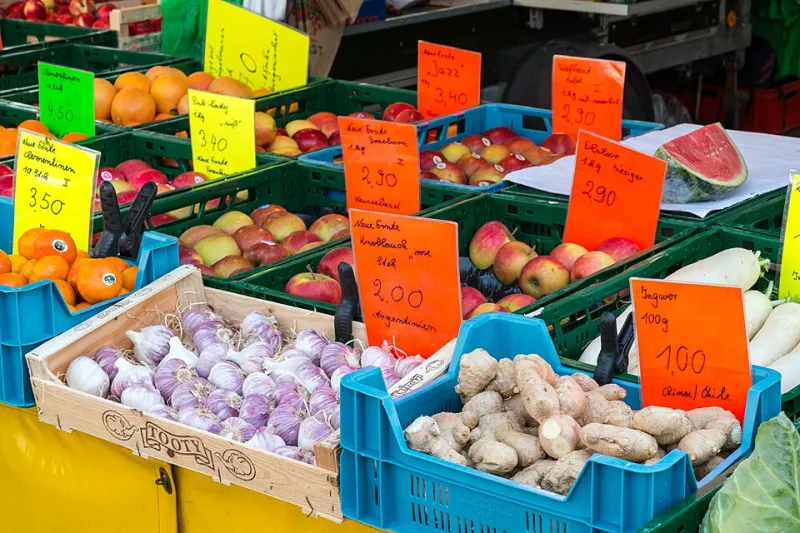
Photo: Dietmar Rabich, CC BY-SA 4.0, via Wikimedia Commons
Here's an uncomfortable truth about bargain hunting: the single biggest obstacle between you and a real deal is usually the retailer's own marketing. Not the price. Not the product. The story wrapped around the price.
I've spent far too many evenings watching a 'flash sale' tick down on a tab I refuse to close, and I've learned the hard way that most of these urgency theatrics are about as genuine as a three-pound note. Let's pull back the curtain on the most common tricks — and more importantly, how to spot them before they spot your wallet.
The Inflated 'Was' Price
The classic. 'Was £249, now £129 — save 48%!' Sounds brilliant, until you notice the item sat at £249 for roughly a fortnight in February and has hovered around £135 ever since.
This isn't necessarily illegal, but it is regulated. Under the Chartered Trading Standards Institute's guidance on price establishment, a 'was' price should have been the genuine selling price for a reasonable period before the promotion. In practice, enforcement is patchy and retailers know it. Some raise prices briefly before a big sales event — Black Friday being the most notorious — purely to manufacture a discount.
Your defence: never trust a 'was' price on its own. Check the item's actual history (more on tools below) and ask yourself one simple question: is this a good price today, regardless of what it supposedly cost before?
Shrinkflation: The Price Rise in Disguise
Your biscuits didn't get more expensive — they got smaller, which is sneakier. Shrinkflation is the art of reducing pack size while keeping the price stable, letting the shelf price look untouched while the per-gram cost quietly climbs.
UK shoppers have watched it happen to everything from chocolate bars to loo roll to jars of coffee sauce. Manufacturers argue it keeps prices affordable; consumers just notice the packet empties faster.
Your defence: read the unit price on the shelf edge — the £/kg or £/litre figure, not the headline price. It's legally required in UK supermarkets, and it's the great equaliser. When a 500g pack becomes 450g at the same price, the unit price exposes it instantly.
The Fake Countdown Timer
E-commerce's favourite bit of theatre: 'Offer ends in 04:59:32!' You panic, you add to basket, you check back tomorrow and — funny thing — the timer has reset itself. Some sites simply refresh the countdown for every visitor or extend it when the sale 'ends'.
The more sophisticated version is the low-stock warning: 'Only 2 left in stock!' Sometimes true. Often generated automatically, sometimes just a nudge written by someone in the marketing team with a straight face.
Your defence: if a deal is genuinely good and genuinely ending, it'll be gone when you check back. If it's still there tomorrow at the same price, you've learned something valuable about that retailer — and you can factor that into every future purchase.
The Drip Pricing Trap
You find a flight for £29.99 or a sofa for £399. By the time you've added booking fees, delivery charges, a 'handling' fee and (my personal favourite) a charge to use a card you were always going to pay with, the total has swelled by 30%.
Drip pricing works because of something psychologists call sunk cost momentum: once you've spent ten minutes configuring a product, you don't want to start again elsewhere. Retailers know this.
Your defence: get to the final total — delivery included — before you let yourself want the thing. If a retailer won't show you the full price early, treat that opacity as information.
The Multi-Buy Mirage
'3 for £10!' sounds like a steal until the shelf edge reveals a single item costs £3.30. Multi-buys can be genuine, but supermarkets and retailers also use them to shift slower stock and nudge you into buying more than you planned. Worse, some multi-buy prices are set higher than the single-item price per unit during the promotion.
Your defence: the unit price again. Always. Make checking it a reflex, like indicating before turning.
The Free Tools That Level the Playing Field
Right, the good news — you don't need to do any of this detective work from memory. A few free tools do the heavy lifting:
- Price history checkers like CamelCamelCamel (for Amazon) and PriceSpy or idealo (for electronics and appliances) show you an item's price over months, exposing fake 'was' prices in seconds.
- CamelCamelCamel's price alerts let you set a target price and get an email when it's hit — turning manufactured urgency into patience that pays.
- Trolley.co.uk compares grocery prices across UK supermarkets, ideal for checking whether that 'special offer' is special at all.
- Google Shopping with price tracking gives you a rough market rate for almost anything before you commit.
The Savvy Shopper's Golden Rules
Strip away all the tactics above and they share one goal: to rush you. Urgency, scarcity, savings percentages — every trick is designed to short-circuit the question 'do I actually want this, at this price, today?'
So slow down. Sleep on anything over £50. Check the price history. Read the unit price. And when a countdown timer hits zero, note whether the price actually changes — because that one observation will save you more over a year than any single deal ever will.
The best bargain hunters aren't lucky. They're just slightly more sceptical than everyone else — and now, so are you.