The £3.20 Lettuce: How Unit Prices Went from Shopper's Friend to Supermarket Smokescreen
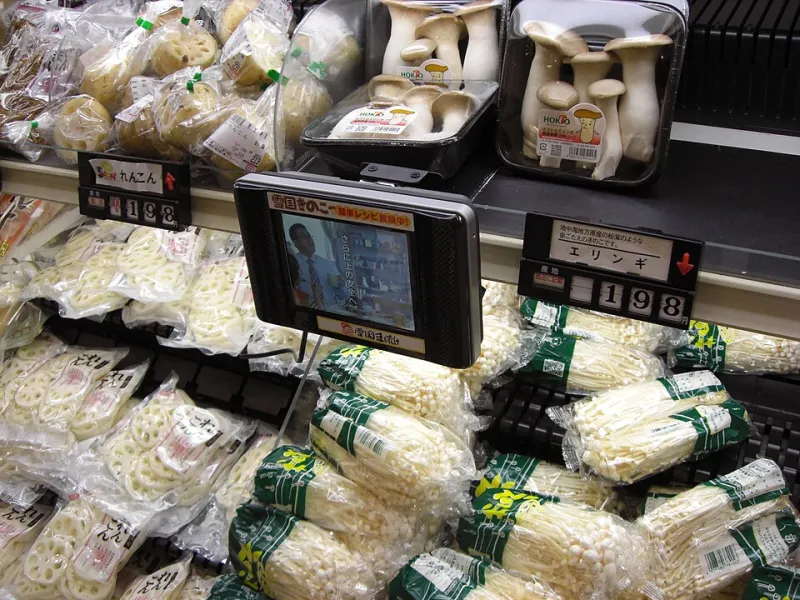
Photo: yumtan, CC BY 2.0, via Wikimedia Commons
The whole point of the little grey number
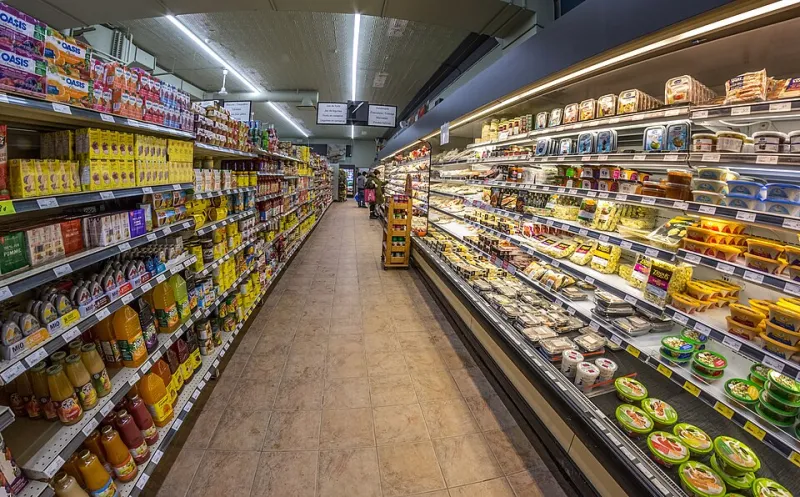
Somewhere on every shelf edge, usually in smaller print than the big red price, sits the unit price: so much per 100g, per litre, per wash. It's the shopper's best defence against clever packaging. Big box, small box, doesn't matter — the per-gram figure cuts through it all.
In theory, anyway. In practice, we spent three weeks photographing shelf labels at five major chains — Tesco, Sainsbury's, Asda, Morrisons and Aldi — across three towns, logging over 400 products. What we found was less a level playing field and more an obstacle course.
Five tricks we caught on camera
1. The unit switch. Grated cheese priced per 100g on one shelf and per kg on the shop-branded version two feet away. Same aisle, same product type, different maths required. We found it with butter (per 100g vs per pack), kitchen roll (per sheet vs per roll) and washing up liquid (per litre vs per 100ml).
2. The shrunken baseline. A 500g bag of pasta becomes 450g. The price drops — £1.10 down to 99p! — while the per-kg figure quietly climbs from £2.20 to £2.20. Sorry, £2.20. The per-gram price didn't budge. Only the packaging did.
3. The buried comparison. At one chain, the multibuy offer showed a big per-unit price for the deal and a much smaller, less favourable unit price for buying singly — but the two weren't always consistent with the per-kg figures, which is the only honest comparison.
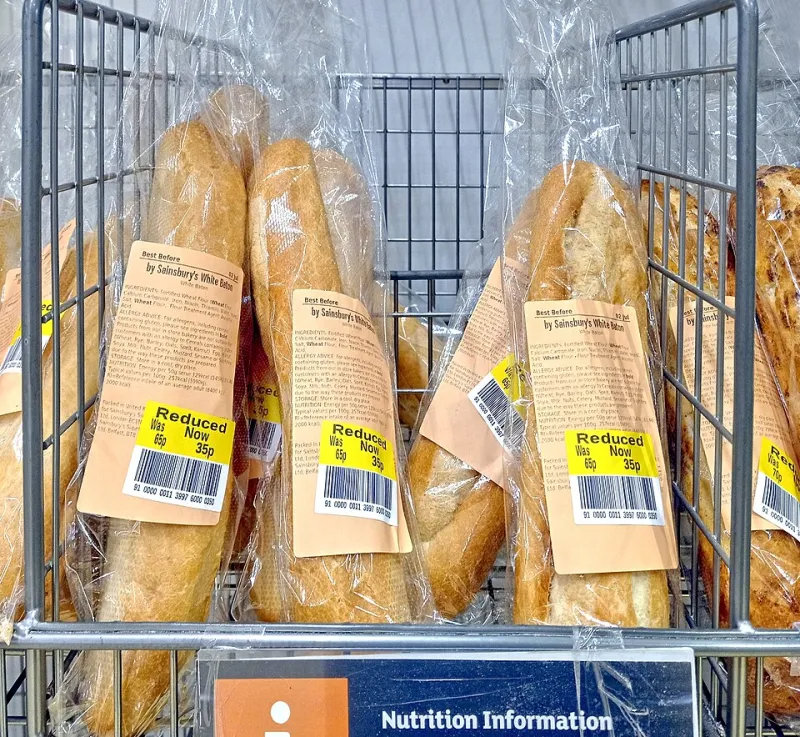
4. The promotional fog. Yellow sticker items and Clubcard-style deal prices sometimes displayed unit prices based on the original price, not what you'd actually pay at the till.
5. The missing figure. Roughly one label in twelve we photographed either omitted the unit price entirely or printed it so faintly it may as well not have been there. Loose produce was the worst offender.
Where it actually works
It's not all bad news. The basics ranges were the most honest labels in every store — clear per-kg figures, consistent units, no nonsense. And where retailers did keep units consistent within a category, the savings leapt out. Our favourite catch: two own-brand cheddars, visually near-identical packaging, £3.40 and £3.80 on the shelf. Per kg? £8.50 versus £6.32. The dearer block was over 30% better value.
The quiz: which basket is actually cheaper?
Have a go before you scroll to the answers.
Basket A: 500g own-brand pasta at £1.15, 400g tin of chopped tomatoes at 65p, 750ml own-brand squash at 89p.
Basket B: 450g value pasta at 85p, 3x400g tomato tins for £1.50, 1 litre value squash at £1.05.
Which works out cheaper per unit of actual food?
Answers: Pasta — B wins at £1.89/kg versus £2.30/kg. Tomatoes — B again, at £1.25/kg versus £1.63/kg. Squash — B, at £1.05/litre versus £1.19/litre. A clean sweep for the value range, despite Basket A's shelf prices looking competitive. That's the whole case for unit pricing in one shopping list.
Your five-second shelf check
- Convert everything to the same unit in your head. Per 100g? Double it for per-200g, times ten for per-kg. If the maths feels hard, that's often the point.
- Ignore the pack size entirely. Bigger is not automatically better value — we found smaller packs beating larger ones in 14% of comparisons.
- Watch the multibuy. Always check the per-kg figure on the single item. Deals that require buying three of something you'll bin half of aren't deals.
- Photograph labels if a price looks off. Supermarkets are legally required to display unit prices for most pre-packed goods; mistakes do happen and stores will usually honour the lower displayed figure.
- Trust the basics range shelf edge. It was the cleanest data we collected, every time.
The bottom line
Unit pricing is still the sharpest tool in the bargain hunter's kit — but like any tool, it only works if you pick it up. The retailers aren't going to make the grey print any bigger. A phone calculator and a habit of glancing past the big red number will save you more than any loyalty scheme we've ever tracked.
Next time you're torn between two packs, do one quick sum. Our audit suggests it's worth about £6–£9 a week on a typical family shop. Over a year, that's a holiday's worth of money hiding in the small print.