We Walked Four Supermarkets With a Trolley Cam. The Layouts Cost Us £14.60 Before We'd Even Noticed.
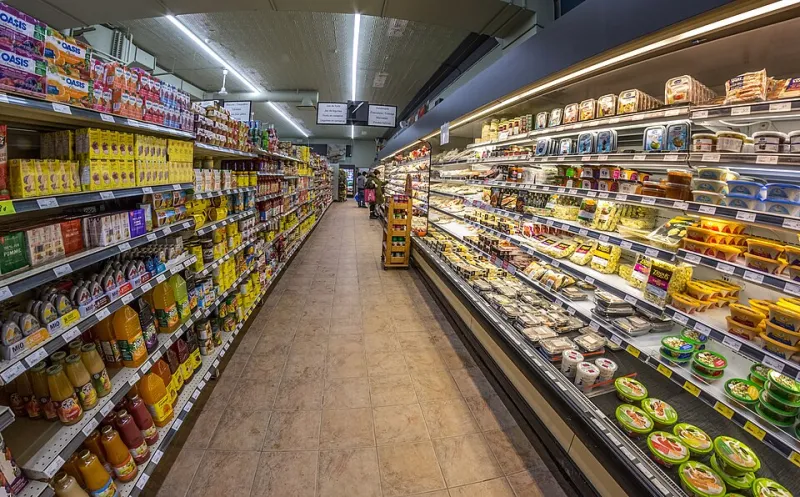
Photo: Wilfredor, CC BY-SA 4.0, via Wikimedia Commons
Supermarkets don't arrange shelves by accident. Every aisle width, end cap and 'deal' dump bin has been studied, tested and refined to nudge your trolley in profitable directions. We've all heard the theory — but how much does it actually matter to your weekly bill?
To find out, we walked four major UK supermarkets (a Big Four giant, a discounter, an upmarket chain and a mid-tier favourite) with the same 25-item shopping list, twice each. First pass: shopping naturally, wandering as the store seemed to guide us. Second pass: shopping like a sceptic, with a route planned to dodge the traps. Same list, same brands, same stores, two very different totals.
The Rules of the Experiment
The list was deliberately boring: milk, bread, eggs, pasta, tinned tomatoes, cheddar, chicken thighs, bananas, porridge, loo roll, washing-up liquid, and so on. Nothing exotic, nothing that only exists in one aisle. We logged our route on a phone tracker and timed each trip.
The 'natural' walk meant following the flow: entering where the store wanted us to, browsing the middle aisles, grabbing whatever caught our eye along the way. The 'sceptic' walk meant going in with a floor plan in our heads and treating the shop like a heist — in, out, no detours.
What the Layout Was Doing to Us
The patterns were remarkably consistent across all four stores:
- The back wall hostage situation. Milk, eggs and butter were pushed to the farthest corners in every single store. You cannot do a basic shop without crossing the entire floor. That's not an accident — it's the whole design.
- Eye level equals buy level. The pricier versions of everything — the 'premium' pasta, the branded porridge — sat at eye height. Own-brand equivalents lived at ankle height or on the top shelf, where you'd need to actually look for them.
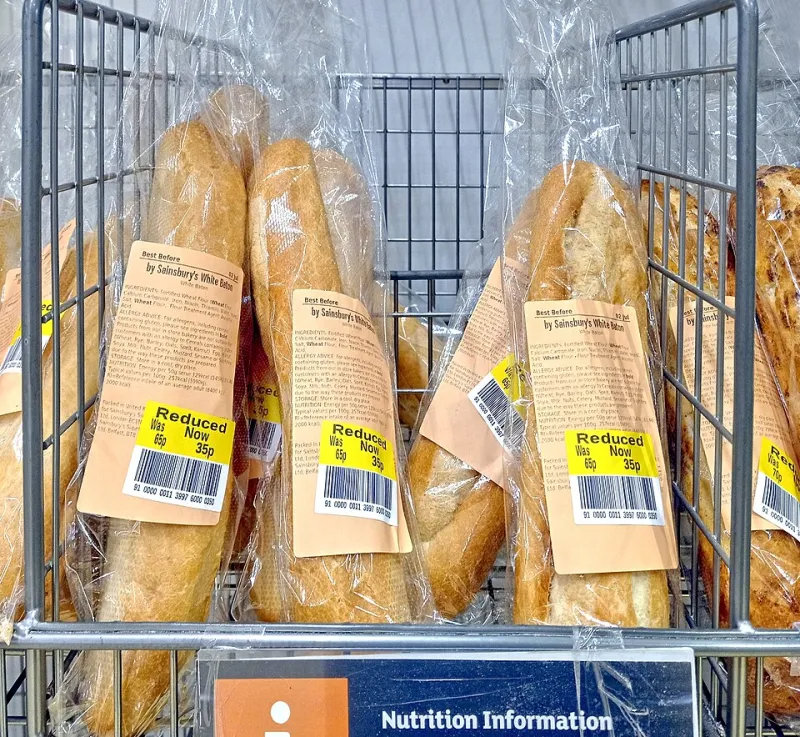
- The fresh flower and bakery welcome. Three of the four stores funnelled you past flowers or warm bread on entry. Lovely smells, but the flowers at the front were consistently 30–40% dearer than the reduced ones tucked near the produce section at the back.
- End caps that weren't deals. We checked prices on every end-of-aisle display we passed. Roughly a third weren't actually discounted at all — they were full-price products given premium placement. One '£1' end cap item was available for 89p in its regular aisle twenty metres away.
- The till gauntlet. Sweets, batteries and meal-deal-adjacent snacks at every checkout. Classic, but it works — our natural basket picked up £3.40 of till-side items across the four stores. The sceptic route added nothing.
The Numbers
Across the four stores, the sceptic's route beat the natural one by an average of £3.65 per shop, with a combined saving of £14.60 on identical baskets. The biggest gap was at the upmarket chain, where the natural route pulled us through two prepared-food sections and a 'seasonal' aisle. The smallest was at the discounter — its layout is aggressive too, but with fewer products overall, there's less to trap you with.
Interestingly, the sceptic's route was also faster in every store — by 4 to 9 minutes. Dodging the traps doesn't cost you time; it saves it.
Your Store-by-Store Cheat Sheet
Big Four giant: Own-brand basics cluster on the lower shelves in the baking and cereal aisles. Skip the first two aisles entirely — they're almost exclusively higher-margin snacks and toiletries. Enter via the fresh produce if there's a side door; it puts you closer to the essentials.
The discounter: The famous middle 'Aisle of Shame' is where impulse buys live. Do the perimeter first, then decide if you actually need a paddling pool. The chilled section at the back holds the genuinely cheap staples.
The upmarket chain: The meal solution zones (ready meals, fancy dips, posh bread) are the margin machines. Your staples are usually cheaper in the standard grocery aisles even here. Reduced items hide near the in-store bakery, not at the entrance.
The mid-tier favourite: Watch the clubcard-style pricing — the 'member price' on the natural route items is real, but the non-member price on end caps is often higher than the own-brand in the same aisle. Compare shelf edges, not just the big yellow labels.
Shop Like a Sceptic: The Five-Step Method
- Write the list in aisle order, roughly, based on the store's standard layout: fresh first (it's at the back), then grocery, then chilled last.
- Shop the perimeter and the top and bottom shelves. The middle of the middle aisles is where margin lives.
- Never trust an end cap. If a display item's on your list anyway, check the unit price against the shelf it normally lives on.
- Do the maths per 100g, not per packet. Shelf-edge unit pricing is your best friend and it's legally required — use it.
- Pick your checkout wisely. Self-service or the ' basket only' till if you can bear it — fewer impulse lines, shorter temptation window.
None of this means supermarkets are the enemy. They're businesses optimising for their margins, and honestly, fair play. But a £3.65 average saving per shop — call it £190 a year on a weekly shop — is real money for about four minutes of extra thought. Walk in with a plan, and let the layout work on somebody else's trolley instead.