Yellow Sticker Diaries: Two Weeks, Six Supermarkets, One Very Tired Writer
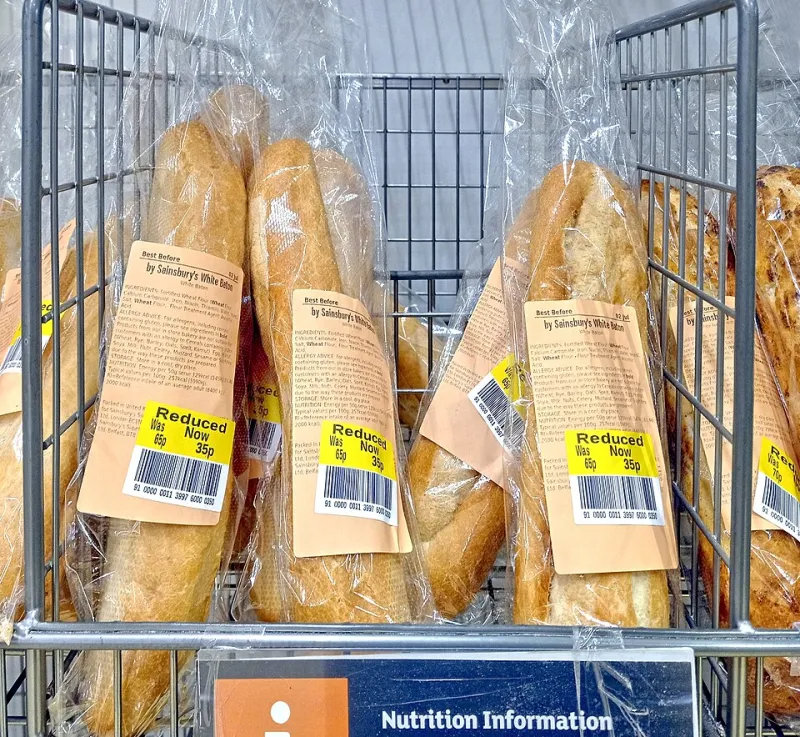
Photo: Philafrenzy, CC BY-SA 4.0, via Wikimedia Commons
There's a rumour that does the rounds on every money-saving forum in Britain: turn up at the right time and the reduced shelves are heaving with bargains. Turn up at the wrong time and you're staring at full-price crumpets. After two weeks of fieldwork across six supermarkets, I can confirm both halves of that rumour are true — and the timings matter more than most people think.
The experiment
Over 14 days, I visited a mix of Tesco, Sainsbury's, Asda, Aldi, Morrisons and Marks & Spencer at different times: 7am, 11am, 4pm and 8pm. I logged what was reduced, how deep the discounts were, and how much competition there was for the good stuff. Yes, I got some odd looks from the same security guard at my local Asda. Yes, we're friends now.
What I found, retailer by retailer
Tesco tended to do its first sticker round mid-morning, around 10–11am, with a bigger sweep in the evening. By 8pm, the reductions were often at their deepest — I picked up a whole chicken for £2.80 and two punnets of strawberries for 60p.
Sainsbury's ran a similar pattern but shifted later, with the serious markdowns landing after 7pm in my store. The trade-off: pickings were slimmer by then, because the early birds had been through.
Asda was the early riser's friend. First reductions appeared by 8am on fresh produce, presumably because the store receives morning deliveries. Great if you're up anyway; less exciting for evening hunters.
Morrisons was the wildcard, with reductions scattered across the day depending on which department was being worked. The counters and bakery sections seemed to run on their own schedule entirely.
Aldi was the least predictable. There's less of a culture of staged reductions — items often got one deep cut and went fast. If you see a yellow sticker at Aldi, buy it. It won't be there tomorrow, or in twenty minutes.
M&S was, predictably, theatre. The famous evening reductions are real, and around 7:30pm the Dine In deals and near-date items stacked up beautifully. But so did the queue of people who know this.
So is the 5am club real?
Honestly? Not really — at least not in the stores I visited. Most big supermarkets restock and reduce through the day, and the deepest cuts typically land in the evening as staff clear near-date stock before closing. The real 'club' is the 7pm crowd, not the dawn patrol.
The exception is if you want selection rather than depth. Morning shoppers got first pick of reduced items at moderate discounts; evening shoppers got the best prices on whatever survived.
My verdict, in numbers
Across the fortnight, I spent around 14 hours on reduced-section reconnaissance and saved roughly £68 against full prices on items I'd have bought anyway. That works out to about £4.85 an hour — above nothing, well below minimum wage, and frankly not a career.
But here's the thing: I didn't make special trips. I folded the checks into trips I was already making, and that changes the maths completely. If you're passing a supermarket anyway, a two-minute detour past the reduced chiller is free money. If you're getting up at 5am for it, go back to bed.
The winning strategy is boringly simple: learn your local store's rhythm over a week, time one or two visits to match it, and never buy a yellow sticker item you weren't going to eat anyway. A bargain on food that ends up in the bin is just an expensive way of throwing money away.