One Basket, Three Prices: What Happens When Your Weekly Shop Travels by App, Aisle and Oddbox

Photo: International Gemini Observatory/NOIRLab/NSF/AURA/A. Smith, CC BY 4.0, via Wikimedia Commons
There's a moment of clarity that arrives when you pay £4.75 for a bag of pasta that costs £1.20 on the shelf. For us, it arrived on a Tuesday evening, standing in the kitchen with a delivery app receipt in one hand and a strong sense of having been mugged by convenience.
We wanted to know, properly, what the same food actually costs depending on how it reaches your kitchen. So we built a basket. Twelve staple items — the sort of thing most UK households buy every week — and we bought identical versions of it three ways: walked into a supermarket, ordered through a rapid grocery delivery app, and supplemented with a weekly 'imperfect' veg box.
The gaps were, in a word, brutal.
The Basket We Used
We kept it deliberately boring. The kind of shop that doesn't lend itself to clever swaps:
- 500g penne pasta
- Sliced white bread (800g)
- 6 medium eggs
- Semi-skimmed milk (2 pints)
- Chicken breast fillets (approx. 400g)
- Bananas (1kg)
- Tomatoes (pack of 6)
- Cheddar cheese (350g block)
- Rice (1kg)
- Tinned chopped tomatoes (400g, x2)
- Butter (250g)
- One bag of mixed salad
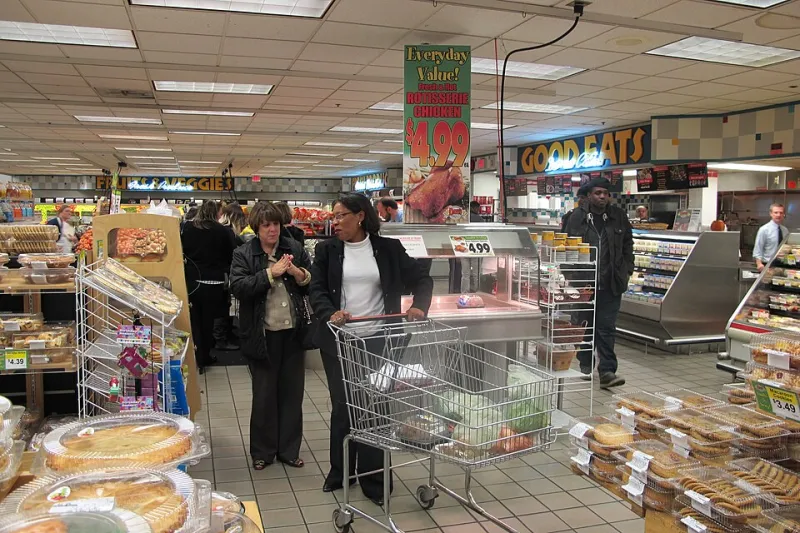
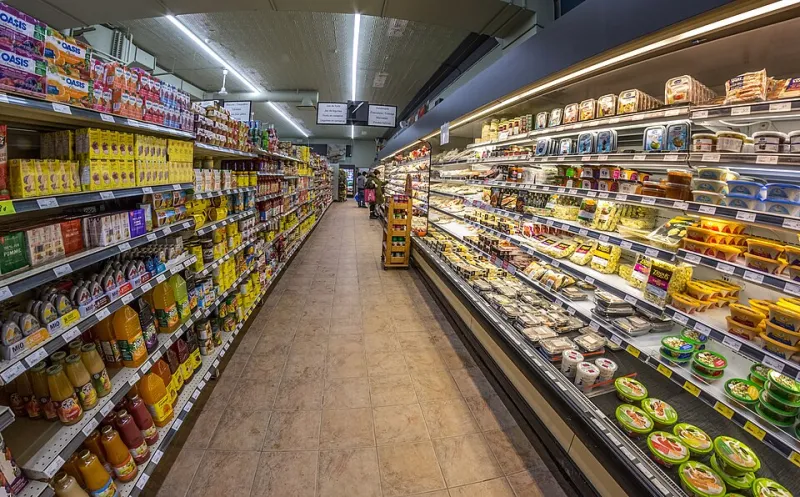
In-store, shopping the value and mid-tier ranges at a big four supermarket, this came to £28.40. Nothing exotic. A genuinely representative Tuesday-night trolley.
Channel One: The Aisle
The in-store trip is our baseline, and honestly, it's hard to beat if you've got the time and a working pair of legs. We shopped the usual way — own-brand where it existed, avoiding the loyalty-member-only prices because not everyone wants to hand over their shopping data for 40p off cheddar (we've done that maths before).
Total: £28.40. Plus roughly £1.80 in bus fare, or 40 minutes of your life if you walked.
Channel Two: The App
Then we ordered the same list through one of the rapid delivery apps that partners with major supermarkets. Same items, same brands where available.
Total: £41.15.
That's a 44% markup — and here's the thing worth understanding: it wasn't one sneaky surcharge. The app advertises itself as matching shelf prices, and technically, the listed prices were close. What got us was the accumulation:
- Item-level markups on about a third of the basket (the chicken was £1.20 more, the cheddar 85p more)
- A service fee
- A small-order fee (because our basket was under the threshold)
- A delivery fee
- And the quiet killer: inflated unit prices on the value-range items, where a 55p pasta becomes 90p and nobody notices
If your basket is bigger — say £60+ — the flat fees spread out and the gap narrows considerably. For a small top-up shop, though, you're paying a premium of roughly £13 for the privilege of not putting on shoes.
There's a time and place for that. It was raining, the baby was asleep, and I'd argue it was worth every penny that night. But as a weekly habit? That's £676 a year on a £30 weekly shop. Enough to fund a decent holiday, or at minimum a lot of in-store pasta.
Channel Three: The Rescue Box
The third leg of the experiment was different in kind, not just price. We ordered a weekly surplus veg box from one of the 'imperfect produce' services, plus a couple of Too Good To Go bags from local shops and cafés.
The veg box cost £11.49 and contained: a bag of carrots, three onions, a cabbage, some wonky parsnips, potatoes, and a bag of apples. Genuinely good quality. Slightly odd shapes. One parsnip had clearly seen things.
The Too Good To Go bags were more of a lottery. A bakery bag (£3.50) delivered a frankly absurd amount of bread and pastries. A convenience store bag (£3.09) delivered two meal deals and a yoghurt — fine, but not something you can plan dinners around.
Here's the honest assessment: rescue boxes don't replace a basket, they reshape it. Our veg box covered produce we'd have bought anyway, and on that front it saved us roughly £4–5 versus buying the equivalent in-store. But it contributed nothing toward the pasta, the chicken, the cheese — the actual backbone of the shop. And the Too Good To Go bags, while fun, pushed us toward eating pastries on a Wednesday because they were there.
That's the hidden cost nobody puts on the pricing page: surplus food arrives on surplus food's schedule. You eat what you rescued, not what you planned.
The Verdict Table
| Channel | Basket Cost | Effective Total | Best For |
|---|---|---|---|
| In-store | £28.40 | £28.40 (+ travel/time) | The full weekly shop |
| Delivery app | £41.15 | £41.15 | Small urgent top-ups, bad weather, bad weeks |
| Rescue box + TGTG | £17.58 (partial basket) | £17.58 + remaining ~£18 in-store | Stretching your produce budget, reducing waste |
So When Is Each Channel Worth It?
In-store wins for anything predictable and heavy. If you're doing the main weekly shop anyway, the app surcharge is pure waste.
The app wins when the alternative is a special trip. A £13 premium hurts less than a £5 taxi or 80 minutes of your Saturday. The trick is keeping the basket large enough to dilute the fees — and checking whether the 'value' range you usually buy has been quietly repriced.
The rescue box wins if you already buy the vegetables it contains and you're flexible in the kitchen. As a standalone money-saving strategy, it's a supplement, not a substitute. And those mystery bags? Treat them as entertainment with a snack attached, not a budgeting tool.
The real lesson from the experiment is that convenience pricing in the UK has become a maze of small fees and quiet markups rather than one visible premium. Nobody charges you £13 for delivery anymore. They charge you £1.99 here, 85p there, and bump the pasta by 35p while you're not looking.
We'd suggest doing what we did: price your actual basket, not your assumptions. It takes twenty minutes and the numbers will change how you shop — or at the very least, make that Tuesday evening delivery feel like the conscious luxury it actually is.