Doorstep to Discount Bin: We Traced What Actually Happens After You Click 'Return'
Photo: Shixart1985, CC BY 2.0, via Wikimedia Commons
You've boxed up the kettle that didn't fit the worktop, printed the label and dropped it at the local Evri point. Job done, refund pending, case closed. Except it isn't. Your kettle is now a commodity — and its journey is far more interesting (and occasionally more depressing) than you'd think.
Britain's returns habit is enormous. Retail analysts put the value of goods sent back by UK shoppers at roughly £5.6 billion a year, and that figure was climbing long before the rise of click-and-collect made 'buy three, keep one' a lifestyle. But here's the thing most people never consider: the vast majority of returned items never go back on the shelf they came from.
The Second Life of Your Parcel
Once a return lands at a distribution centre, it gets triaged — usually by a third-party logistics firm rather than the retailer itself. Staff (and increasingly, machines) grade each item. Brand new and unopened? It might go back into stock, though often only at the retailer's discretion. Opened but perfect? That's 'grade A' stock, and it's about to take a very different route.
From there, your kettle has a few possible fates. It could be sold in bulk to a liquidator — companies that buy returns by the pallet, sight unseen, and flog them via online auctions. It could appear on a dedicated resale platform. It could be listed on the retailer's own outlet arm, quietly relabelled as 'open box' or 'customer return'. Or, in the worst-case scenario that nobody's keen to talk about, it could be marked for disposal.
That last option is the industry's dirty secret. Returns processing is expensive — inspection, repackaging and relisting can cost more than the item's worth. For cheap goods, it's often cheaper to bin them. Waste campaign groups have estimated that hundreds of millions of pounds of returned stock is destroyed in the UK each year. It's why the phrase 'returned to sender' is, in most cases, marketing fiction.
Which Retailers Resell — and Which Go Quiet
Not all retailers treat returns the same way. The big grocers with clothing ranges tend to push opened returns into their own clearance channels. Several high street names run dedicated outlet sites where 'customer returns' and 'refurbished' items appear at steep discounts, usually with honest condition notes. Electronics retailers are particularly good at this — a phone returned within its window can be refurbished, reboxed and resold with a warranty, which is arguably better than buying new at full whack.
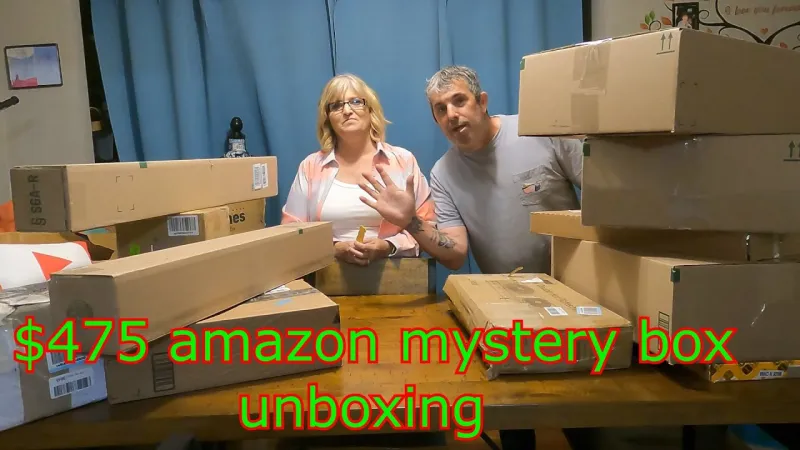
Then there are the pure-play liquidators. If you've ever browsed an online auction and seen 'pallet of mixed customer returns — 40 items' going for £120, that's the system working as designed. The buyer is usually a market trader, a car booter or someone running a clearance Facebook page. Some make a tidy living off it. Others end up with 40 dud phone cases.
The rise of dedicated returns resale platforms has changed the game for ordinary shoppers, too. Sites now sell individual returned items — graded, photographed and priced — rather than forcing you to gamble on a mystery pallet. It's the closest thing to legalised bargan hunting the internet has produced.
How to Shop the Returns Economy
If you want in, a few rules of thumb:
- Buy graded, not blind. Individual graded returns beat mystery pallets for most people. Look for clear condition descriptions — 'grade A, unboxed' should mean fully functional, packaging damaged.
- Check the warranty. Reputable resale platforms and retailer outlets still apply consumer rights. A pallet lot from an auction house typically offers none.
- Time your hunt. January and post-Christmas weeks flood the system with returns. Stock is plentiful and prices soft.
- Know your own rights first. Under the Consumer Contracts Regulations, you've got 14 days to change your mind on most online orders, and many UK retailers extend this to 30 or more. Use it — but be aware that excessive returning can get accounts flagged.
- Return it properly. Items returned dirty, damaged or missing parts are far more likely to end up landfill. If you're done with something, selling it second-hand is kinder to the planet than 'returning' it.
The Savvy Shopper's Takeaway
There's a strange irony in the returns economy: the system exists because we over-order, and it only stays profitable because some of what we send back gets resold to bargain hunters — sometimes to the very same people. That £30 kettle you sent back might be £12 on an outlet site by February, snapped up by someone who never bothered with the original purchase.
Is any of this the shopper's fault? Not really. Retailers design frictionless returns because it sells more stuff. But knowing what happens downstream changes how you shop. Buy less, return carefully, and when you do need something, check the returns-grade shelf before paying full price. The system built on our impulse purchases will happily sell them back to us at a discount — we may as well be the ones holding the bargain.