What's Your Loyalty Card Actually Paying You? We Did the Maths on the Data Trade-Off
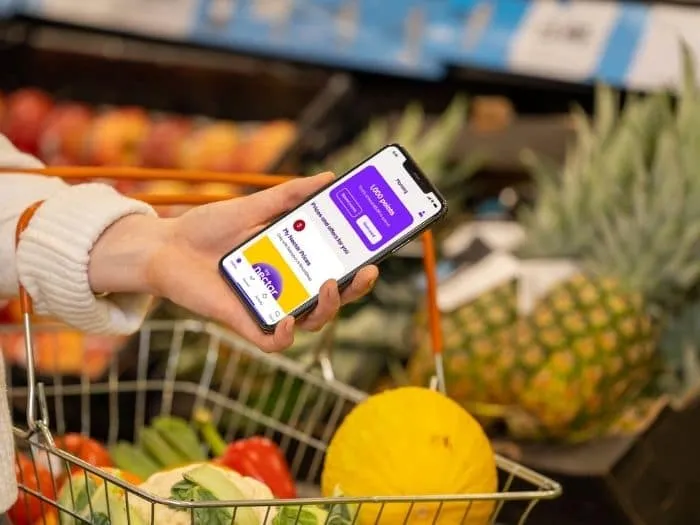
Photo: UK supermarket loyalty cards Clubcard Nectar app smartphone at till, via skintdad.co.uk
Let's be honest about what a loyalty card is. It is not a gift. It is a trade: you hand over a detailed record of what you buy, when you buy it and how you respond to offers, and in exchange the retailer gives you back a small slice of the margin. Whether that trade is worth it depends entirely on the numbers — so we ran them.
We modelled a fairly typical two-adult household: a weekly supermarket shop, a fuel top-up every fortnight, and the odd trip elsewhere. We then worked out the annual return from the UK's biggest schemes. The results range from genuinely worthwhile to barely worth the plastic in your wallet.
The Numbers, Household by Household
Here's what our modelled household earns per year across the major schemes:
| Scheme | Where | Typical Annual Return | Standout Feature |
|---|---|---|---|
| Clubcard | Tesco | £90-£150 | Boosted deals worth 2x points value |
| Nectar | Sainsbury's, Argos, eBay | £70-£120 | Partnerships multiply earning spots |
| More Card | Morrisons | £50-£90 | Simple 1p per £1, cash-like |
| Aldi/Lidl | — | £0 | No scheme at all |
A few caveats before you get excited. These figures assume you shop reasonably consistently at one store and — crucially — that you actually spend your points rather than letting them expire in an app you've forgotten about. Millions of pounds of UK loyalty points go unredeemed every year. If that's you, your effective return is zero and the retailer is very grateful.
The Price of Your Shopping Data
Now the awkward half of the trade. What are you giving up? Your card tells the retailer your household's brand preferences, price sensitivity, response to promotions, dietary patterns and shopping frequency. Personalised offers — the Clubcard Prices and Nectar Prices on shelf labels — are built on this data, and they work precisely because they're calibrated to your habits.
Is that sinister? Partly, yes. But here's our honest take: the data is already being collected in most retail contexts. The difference with a loyalty card is you're at least getting paid for it. The real question isn't "should I hand over data?" — it's "am I being compensated fairly?" On our numbers, £100 a year for a household's grocery data is a fair-ish trade, provided you redeem everything and don't let the personalised prices nudge you into buying things you wouldn't otherwise have bought.
That last point matters more than people admit. A £1 off offer on biscuits you were always going to buy is free money. A £1 off offer on biscuits you'd stopped buying is the algorithm winning.
How to Stack Loyalty Points With Deals You'd Get Anyway
The savviest UK shoppers treat loyalty schemes as a layer on top of existing savings, not a substitute for them. Our stack, in order:
- Check the yellow-sticker and reduced sections first. Points still accrue on reduced items in most schemes.
- Use the app's personalised offers before you shop. Two minutes of tapping can add £2-£5 to a weekly shop's value.
- Pay with a cashback credit card on top. Loyalty points and card cashback stack — that's double-dipping in the best possible sense.
- Convert points at boosted rates. Clubcard partner redemptions and Nectar's eBay rates can double your points' face value. Never redeem at baseline if you can help it.
- Consolidate. One well-used scheme beats four neglected ones. Pick the supermarket that's genuinely cheapest for your basket and go all-in there.
Our Verdict
Loyalty cards are worth having — but only if you treat them as a rebate system you actually cash in, not a badge of brand loyalty. The household that signs up, redeems religiously and stacks offers onto an already-cheap basket might clear £150 a year across schemes. The household that signs up and forgets is simply subsidising everyone else.
And if you shop mainly at the German discounters, take some comfort: the absence of a loyalty scheme at Aldi and Lidl reflects their everyday-low-price model. There's nothing to claw back later because the discount is already on the shelf. In the loyalty game, the best card is sometimes the one you never need to carry.