Reserved Online, Upsold at the Desk: Our Six-Store Click-and-Collect Tally
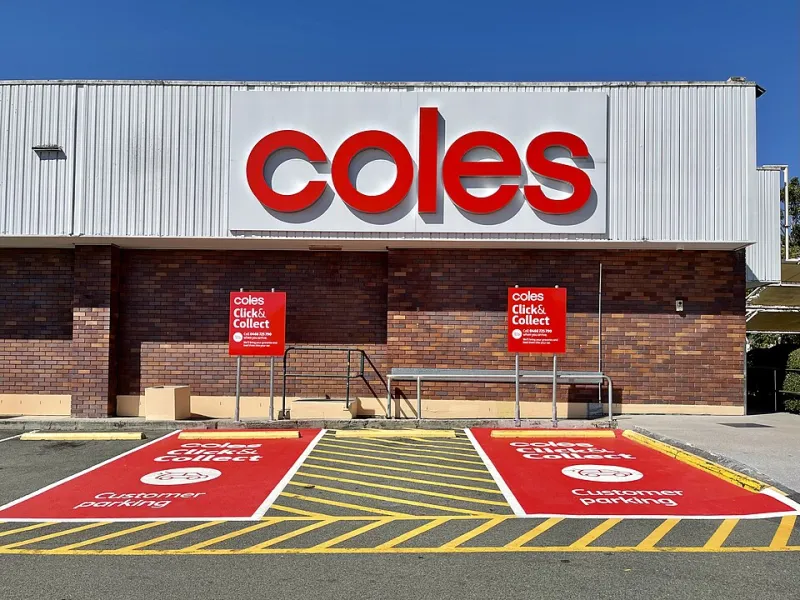
Photo: Kgbo, CC BY-SA 4.0, via Wikimedia Commons
Click-and-collect is the quiet workhorse of British shopping. No delivery slot to gamble on, no £3.99 fee for the privilege of a man in a van leaving your oat milk on the step, and — in theory — no wandering the aisles adding things you never planned to buy.
That last part is the selling point, isn't it? You click, you pay, you collect. Zero temptation.
We weren't convinced. So over three weeks, we placed click-and-collect orders at six UK retailers — two big supermarkets, a department store, a DIY chain, a pharmacy and a fashion retailer — and kept a running tally of everything that happened between confirming the order and walking out of the door with our bag.
The Setup: Six Orders, One Shopping List
To keep things fair, each order contained the same core items where possible: a practical purchase we genuinely needed, plus a small filler item to bring the basket value up. Everything else — every prompt, every suggestion, every "you might also like" — was logged.
Our baseline spend across the six orders came to £148.37. By the time we'd left the final collection point, the running total had grown. Not because we're hopeless, but because the journey from car park to counter is more carefully engineered than most of us realise.
Stage One: The Confirmation Screen
The upsell starts before you've even chosen a collection slot. Four of the six retailers hit us with add-on suggestions on the payment page — batteries, gift wrap, extended warranties, a £2.50 chocolate bar "to complete your order."
The classics. One DIY retailer's "frequently bought together" prompt was genuinely useful (we'd forgotten the wall plugs), but the other three were pure margin-boosters. Total spent at this stage: £6.48.
Tip: treat the confirmation screen like a checkout queue — eyes forward, don't browse.
Stage Two: The Waiting Area
Here's where it gets interesting. At four of the six locations, the collection desk sits directly in front of — or right beside — a wall of impulse stock. Seasonal gifting, reduced-to-clear rails, a bin of half-price Easter eggs in February.
At the department store, our collection counter was inside the perfume section. There is no accidental route through a perfume section. That's a ten-minute obstacle course with a £60 average basket.
Across the six visits, we spent £11.75 in the waiting zone — a discount candle, a multipack of sponges we didn't need, and (our weakest moment) a £4.99 insulated travel mug.
Stage Three: The Desk Itself
When your name is confirmed, the real pitch begins. Staff upsells are trained behaviour, and fair play to them — but the scripts are revealing:
- "Would you like to add a £3 meal deal while you're here?"
- "That item's on multibuy if you take another one."
- "We've got a three-for-two on those today."
- "Sign up for our card and get 10% off this order."
We accepted three of eleven offers across the six stores, spending £9.99 extra. The loyalty card pitch was the most persistent — and the one worth pausing on. As we've said before on ShopWallа, loyalty schemes are a trade, not a gift. If the discount is genuine and the data trade doesn't bother you, fine. If you're signing up to save £1.80 on a one-off purchase, you'll be unsubscribing from marketing emails for the rest of the year.
The Final Tally
Baseline orders: £148.37 Confirmation-screen extras: £6.48 Waiting-area impulse buys: £11.75 Desk upsells accepted: £9.99 Grand total: £176.59 — an 19% overspend
And that's with a writer who was actively taking notes and trying to resist. A shopper on autopilot, phone in hand, children in tow? We'd guess higher.
Does Click-and-Collect Still Save Money?
Yes — if you hold the line. The core orders were consistently cheaper than delivery-equivalent baskets, with no fees at five of the six retailers and a £1 charge at the sixth (waived over £30). Compared with a standard £3–£5 delivery slot, collection wins on price almost every time.
The savings don't come from the service, though. They come from you not buying the travel mug.
How to Beat the Pickup Queue
- Pay in full before you arrive. If the total is settled, the desk has nothing to upsell except loyalty cards.
- Use the app's collection code, not the human queue, where retailers offer a self-service locker or kiosk. Two of our six stores had lockers — the fastest and cheapest exits of the whole experiment.
- Time it badly on purpose. Arriving just before closing meant shorter queues, thinner staffing and zero small talk at three of six stores.
- Write your list down, not in the app. Suggestions can't tempt you from a list that lives on paper.
- Walk in with a number in your head — the exact total you paid — and treat anything above it as the retailer's win, not yours.
Click-and-collect remains one of the better deals on the British high street. Just remember that the door swings both ways: you're walking through theirs, and they know exactly what to put next to it.